
The Digital Storefront: Why Your Brand Must Have a Google Business Profile
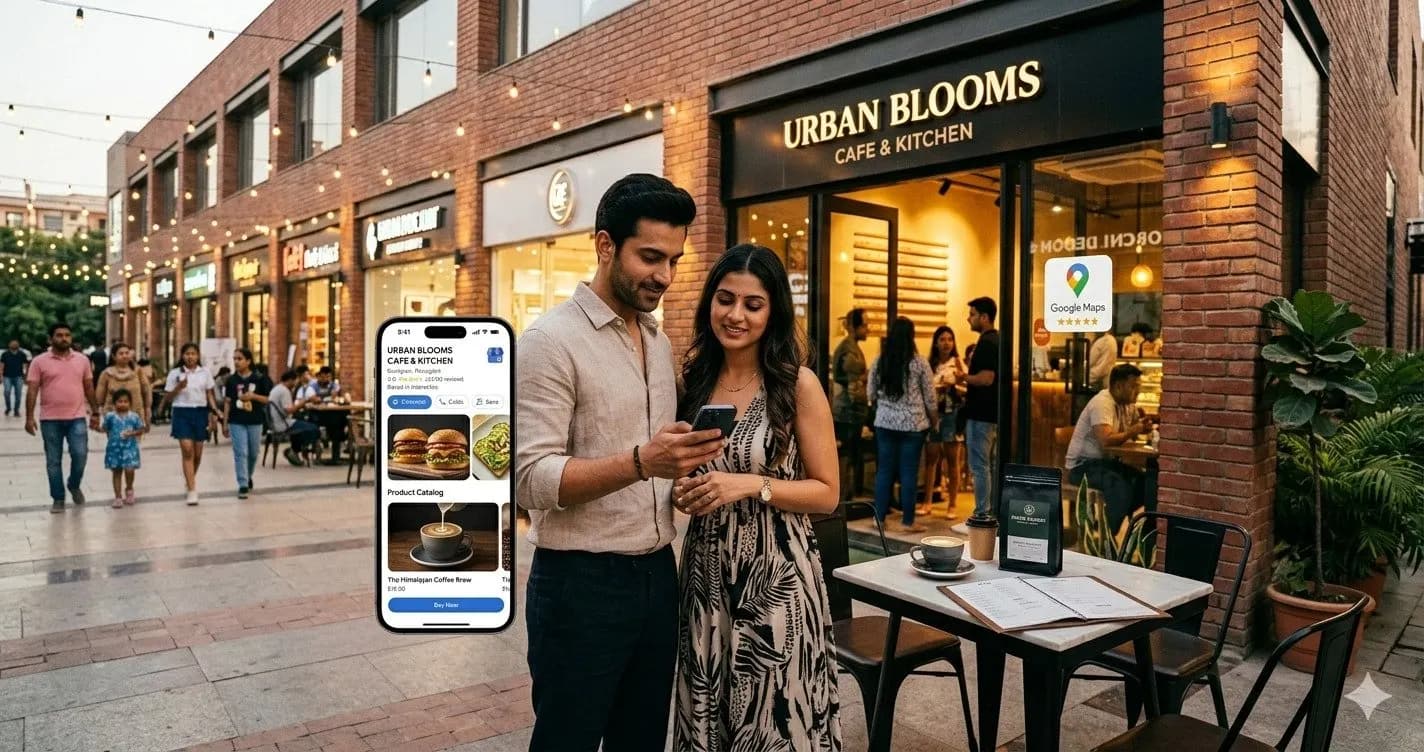
"Google it" is now the answer to every consumer need in the digital world. People virtually always start their search for an artisanal sourdough loaf, a high-end skincare serum, or a local plumber on a search engine. This makes Google Business Profile (previously Google My Business) the best marketing tool for business and product owners.
A lot of owners, meanwhile, think of their profile as something they can "set it and forget it." This is a very bad mistake. We need to look into how local discovery and consumer trust work in order to understand why GBP is important and how to keep it from becoming "impotent" or useless.
1. The Gateway to Local SEO and the "Map Pack"
Google shows the Local Pack or Map Pack when someone searches for a product or service "near me." This is the group of three local company listings that show up above the regular search results.
If you're not in the top three, a huge group of determined purchasers won't be able to find you. The most important thing that will determine if you show up on Google is a well-optimized Google Business Profile. You tell Google exactly who you are and where you are by giving them your location, service region, and relevant keywords. This lets them show your business to the right people at the right time, when they are ready to buy.
2. Building Instant Trust Through Social Proof
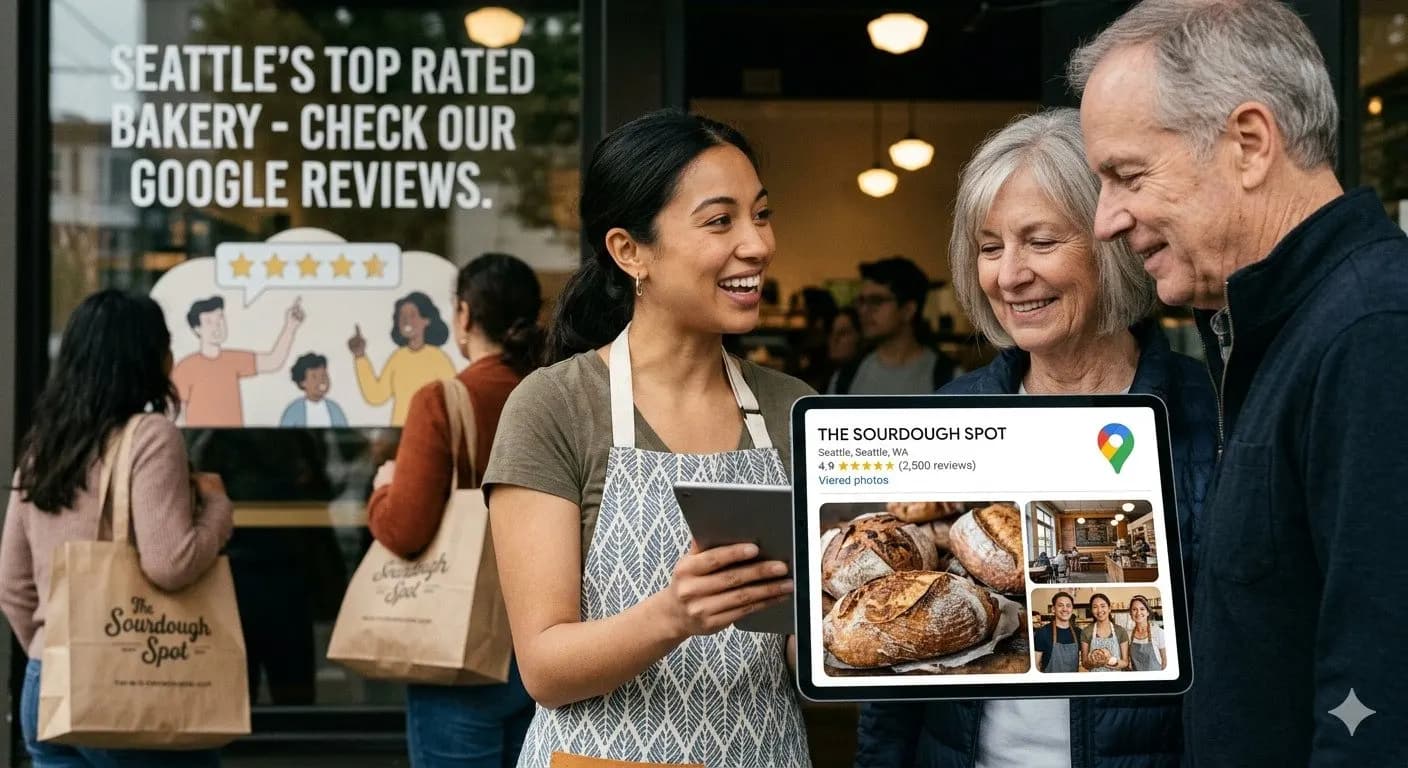
Reviews are the new currency in today's market. In the absence of social proof, a cold lead is likely to select a competitor with 50 four-star ratings even if a product owner has the best product available.
These reviews are prominently shown on Google Business Profile. It offers an open platform where:
- Transparency Wins: When handled professionally, even unfavorable reviews can increase confidence by demonstrating your concern for client pleasure.
- User-Generated Content: Consumers frequently post their own images of your merchandise or storefront, offering real-world images that are frequently more convincing than those taken in a studio.
3. A Free, High-Conversion Mini-Website
A large-scale e-commerce website can be costly to maintain and challenging to rank for many small business owners. Your Google Business Profile functions as a free, high-converting mini-website, although you should eventually have one.
In the profile, you are able to:
- List Products: Product owners are able to post a catalog that includes pictures, costs, and Buy Now links.
- Make Appointments: Service providers can collect leads without the customer ever leaving the search page thanks to integrated booking buttons.
- Direct Communication: The "Messaging" function lowers the barrier to entry for shy or busy clients by enabling them to text your business directly.
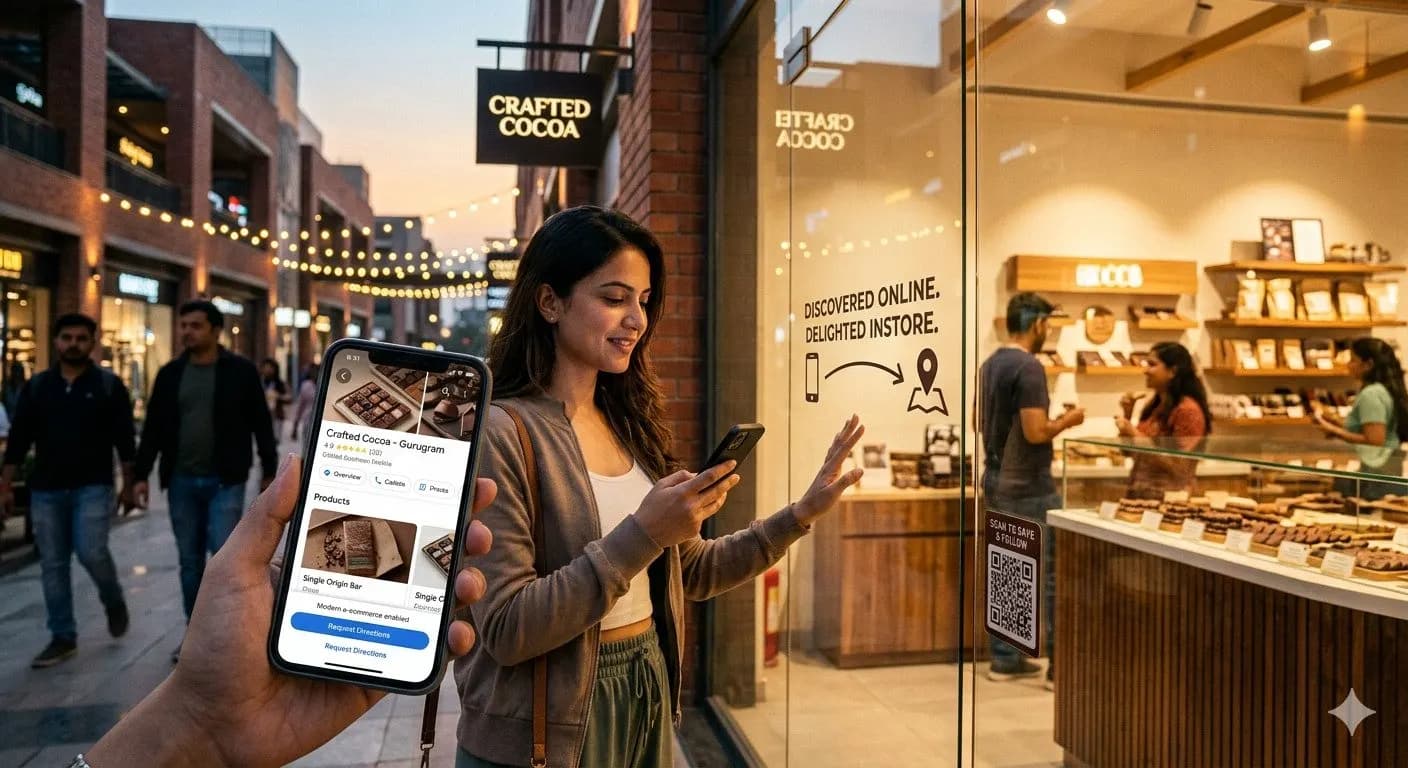
4. Bridging the Gap Between Online and Offline
The largest obstacle facing brick and mortar businesses is "attribution"—the ability to determine how a digital advertisement resulted in a physical footfall. This is resolved by Google Business Profile, which offers insights.
You can see the precise number of people:
- Asked for directions to your store.
- Clicked on your phone number to call you.
- Found you using a branded search (your name) as opposed to a categorized search (such as "coffee shop").
This information is priceless. You can adjust your inventory or services in response to current local demand by knowing where your consumers are coming from and what they are looking for.
When GMB Becomes "Impotent": Common Pitfalls to Avoid
If your profile isn't producing results, it's probably under-optimized rather than the platform being ineffective. The following explains why some profiles don't work:
- Information Decay: You will permanently lose a customer if they drive to your store and discover you are closed because you neglected to update your holiday hours. The quickest method to lose your ranking is using outdated information.
- Shadow Profiles: Google may create a profile based on information from third parties if you haven't "claimed" your company. This frequently results in outdated locations or wrong phone numbers, giving the impression that your company is outdated or unprofessional.
- The "Silent" Profile: A profile appears abandoned if it has no posts or reviews. Active businesses are favored by Google's algorithm. Posting about new items or deals using the "Updates" feature keeps your profile current and interesting.
Strategic Tips for Product Owners
You may believe that GBP isn't for you if you are a product entrepreneur without a physical store. Reconsider. You can continue to show up in local searches for your area by creating a Service Area Business (SAB) profile.
- Use the Product Editor: List your flagship goods instead of just your company name. Make use of high-quality images with a 1:1 aspect ratio.
- Use Q&A to anticipate obstacles from customers. Post your own queries, such as "Is this product eco-friendly?" along with the response. As a result, a useful FAQ is created directly on the search page.
- Google Posts for Launches: You may increase traffic to your most recent product launch right away by using Google Posts similarly to Instagram Stories.